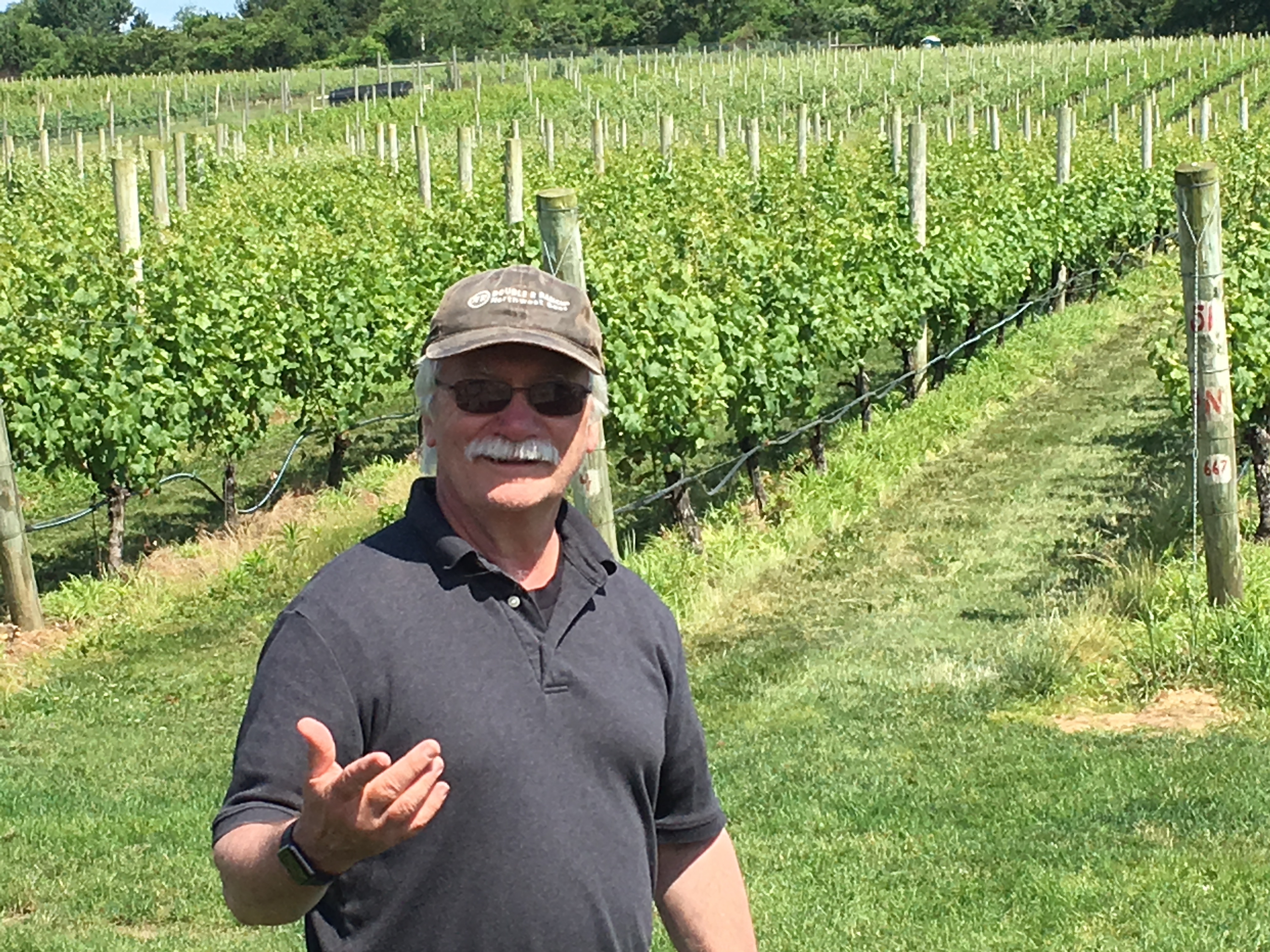
I find myself thinking lately of terms the common man, common woman, common child. I think of their (our) needs and desires, the simple ones that we all share. Some of us have the means, had the upbringing, enjoyed good fortune to be able to do what is in our hearts and our minds to do. The simple things of a piece of land to work, a roof over our heads that can move from house to home, food on our table, clothes on our back, a solid education, good health and a job that provides and gives us satisfaction. It’s not too much to ask, too much to expect, too much to dream of.
I thought back to the first time I read The Grapes of Wrath and placed myself in the hands of a marvelous American storyteller – John Steinbeck. I remember how the book moved me. It made me sad, opened my eyes to challenging times and the inequities that follow those who live in the greatest nation on earth. The story made me think about what I did for a living and my zest for cooking delicious food, traveling to special parts of the world, working and dining in great restaurants, learning from exceptional chefs, enjoying incredible wines from the hands of vintners, harvesters, and wine makers. I aged more and more into a world of opportunity while so many others were unable to ever expect those simple things that we (those who are fortunate) sometimes take for granted.
The Grapes of Wrath is about a time in history, or so we think. But that time is still with us – it’s just removed from our consciousness when not personally felt. Some believe that opportunities are made through commitment and hard work and although that is certainly true to a point – opportunity also comes from where we began. The Grapes of Wrath took place in Depression era America when the system of wealth that built our country was crumbling and its impact trickled down to the common man, the common woman, the common child. We delude ourselves if we believe that those times are behind us.
So, how does this relate to the business of restaurants, the work of the cook and chef, the daily challenges that face the restaurateur? Well, it begins with awareness of the world we live and work in and the importance of what we do. When we lift that glass of fabulous cabernet sauvignon from the Russian River of California or world-class pinot noir from Oregon’s Willamette Valley we shouldn’t necessarily dwell on those who can or can’t afford it but rather the ones who have realized those simple things in life because of it – a piece of land to work, food on their table, and the ability to care for their home and the people who surround them. We can and should think about the owners, the vintners, the wine makers, and the migrant pickers who, because you raise that glass or place a wine on your restaurant list are able to realize that part of their dream. When cooks and chefs prepare a dish with care, they should think about the farmers who live a life that many would find impossible, the effort it takes to till the land and maintain the crops. You should think of the challenges that weather patterns create, many are unpredictable, and most will determine the success of a growing season. We should think of the pickers, bent at the waist, walking row after row in the hot sun, hoping to beat the clock as optimum crop quality is a fragile thing. We should act on behalf of those common men, women, and children as government makes decisions, some haphazard, that impact the work stemming from their true American spirit.
We have an obligation to think and act on behalf of those who need us as their voice. We have the power to help those who are unable, in the moment, to help themselves. We are protectors and advocates for those we work with, those who work for us, those who indirectly support our ability to exist as a cooks, chefs, and restaurateurs. We have the skill and far too much opportunity to feed those in need as Jose Andres and World Central Kitchen do, as your local food pantries and soup kitchens do, and as families do for their own and their neighbors.
In a land of plenty, the Grapes of Wrath should be a story without relevance in modern times. Restaurants have always been a vehicle for gathering, for sharing and solving problems, for giving thanks and providing a podium for
others to speak their mind. When we have the skill and the good fortune, we also have an obligation to help.
“In the souls of the people the grapes of wrath are filling and growing heavy, growing heavy for the vintage.”
PLAN BETTER – TRAIN HARDER
“Work Hard and be Kind” – Dick Cattani
Harvest America Ventures, LLC
Restaurant Consulting
www.harvestamericacues.com BLOG
(Over 900 articles about the business and people of food)
CAFÉ Talks Podcast
https://cafemeetingplace.com/cafe-podcasts
More than 90 interviews with the most influential people in food

 Harvest America CUES BLOG
Leave a comment