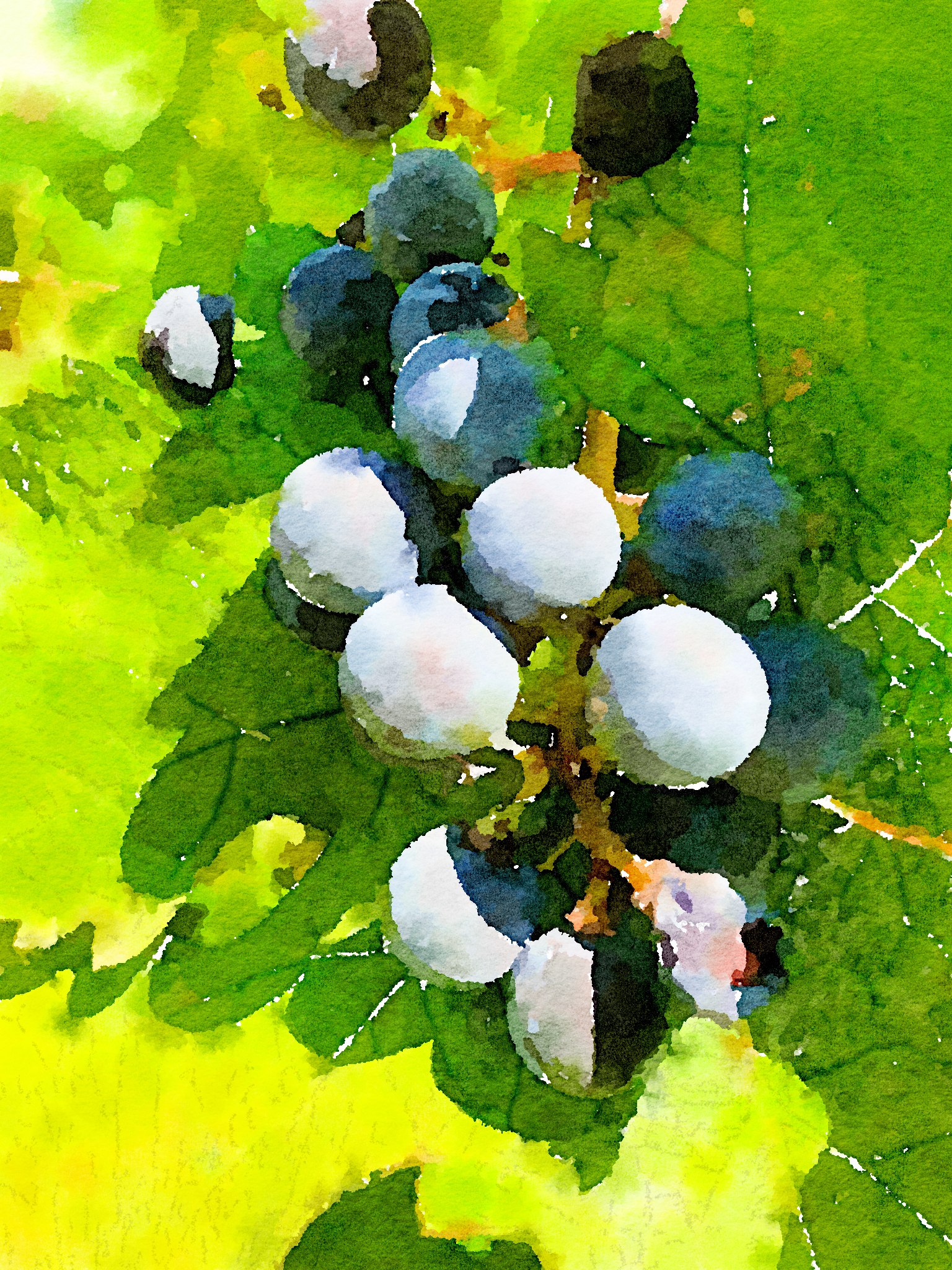
It could be a cyclical phenomenon in the marketplace, maybe a trend towards healthier lifestyles. One might consider the role that legalized marijuana plays in creating an alternative. Or it could be possible that craft beers have captured part of the market, or that stories focused on non-alcoholic craft cocktails are making waves. All this speculation is reasonable but, in the end, the fact is that wine consumption is down significantly – not just in the U.S., but globally. In France, vineyards in some cases are not being harvested and the government has converted unsold wine into “industrial alcohol and biofuels.” –The Robb Report – December 2025. California, the fourth largest wine producer in the world, has seen more than 8,000 acres of wine grape vines turned over for alternative crops. It’s a global problem that is impacting tens of thousands of workers and billions of dollars in agricultural revenue. Economically, this is a disaster of epic proportions, but I want to take a moment to address the cultural impact and the challenges posed to the restaurant business.
Wine is an agricultural product that has provided not only a living for those in the business of wine and production of grapes for producing wine, but the communities where these processes take place. In countries throughout the world, grape production helps to define geopolitical area distinctions, the way of living that so many people have become accustomed to, the traditions and cultural celebrations that define those areas, and even the politics that govern how people live and act. In France and Italy, wine is closely aligned with the history and lifestyle of millions of residents. It has been so for generations. The same, to some degree, can be said for parts of the U.S. where wine is an essential part of how communities are identified. Nearly every state in the U.S. boasts a wine industry with California, New York, Washington State, and Oregon leading the pack. The stories surrounding and the structure of communities, has been defined by the growing of grapes and production of wine. Both are fully intertwined with the identity of villages and towns. Considering a wine industry in distress is frightening to the people you live there and whose contributions to the world around them have been one with the wine industry. What is Bordeaux, Burgundy, Alsace, Beaujolais, Champagne, Piedmont, Tuscany, Sardinia, Campania, Napa, Sonoma, Mendicino, the Willamette Valley, Columbia Gorge, Walla Walla, or the Finger Lakes without grapes and wine?
Restaurants, world-wide depend on wine to finish the story of their food. It is hard to imagine a great or even a generally good dinner without a wine to accompany and complete the experience. Wine does improve the experience of food, and the experience of food does the same for wine of all varieties and price ranges.
We raise a glass of wine from French Champagne to Italian Montepulciano or from a New York Riesling to California Zinfandel, in celebration. We toast the people we are with, the memory of others, the accomplishments of some, and indirectly – the farmers who grew the grapes, the pickers who completed the backbreaking work of harvest, and the wine makers who perform the magic of fermentation and blending. There is an entire eco-system of process, production, blending, and service that surrounds the culture and business of wine. To all who are serious about food, community, restaurants, and celebration – this must be protected. So, what can be done?
[] INTERNAL EDUCATION
Create an employee wine culture. Everyone from servers to cooks and hosts to dishwashers should learn the basics of wine and how it works with the food prepared in the restaurant. They should understand basic grape varieties, the process from harvest to blending, and how wine tastes, smells, and feels in the mouth. The more they know, the more they will appreciate. The more they embrace wine the more likely they are to promote it to those in their network. This is an investment in your staff and your restaurants’ success.
[] EXTERNAL EDUCATION
It is safe to assume that most restaurant guests know very little about wine, but they would like to. Invest in this through wine lists that educate instead of intimidate; servers who explain and recommend, and wine pricing that allows for entry level without ticket shock. Set the stage for wine sales and build on the assumption that your guests would like to order wine but are afraid to do so.
[] DRAW CONNECTIONS
Let everyone know that just as the quality of food on your menu must give credit to the farmer, fisherman, and rancher, so too must wine give credit to the grape growers. Don’t just reference the wine and its attributes – talk about the vineyard, the soil, the temperature, and the struggle of the vine to produce the right grape outcome.
[] CREATE CELEBRATIONS
Build your restaurant features and occasions around wine selections. Bring in wine makers to feature their wines for events, sponsor wine pairing meals, celebrate the release of Nouveau Beaujolais, encourage champagne as a means of celebrating anything and everything. Invest in your wine promotion.
[] SPONSOR TASTINGS AND PAIRINGS
Get your steady customers involved in tasting new wines added to your list. Have wine tasting classes on slower nights, bring in a representative from Riedel to talk about the importance of the glass, offer dinner with the chef where he/she presents new menu dishes paired with their favorite wine.
[] USE YOUR MENU
Why not list your recommended wines with each dish on the menu? Why not state the general characteristics of wine rather than ethereal descriptors that most guests don’t understand. If the goal is to celebrate wine and enjoy the pairing experience, then begin to minimize the pomp and circumstance and make it user friendly.
Let’s work to protect the wine eco-system and bring others into the fold of wine enthusiast.
PLAN BETTER – TRAIN HARDER
Food and wine are natural partners
www.harvestamericacues.com – BLOG
Over 1,000 articles on the business and people
of food and wine
Preset Style = Vibrant
Lightness = Auto-Exposure
Size = Large
Border = No Border

 Harvest America CUES BLOG
Leave a comment