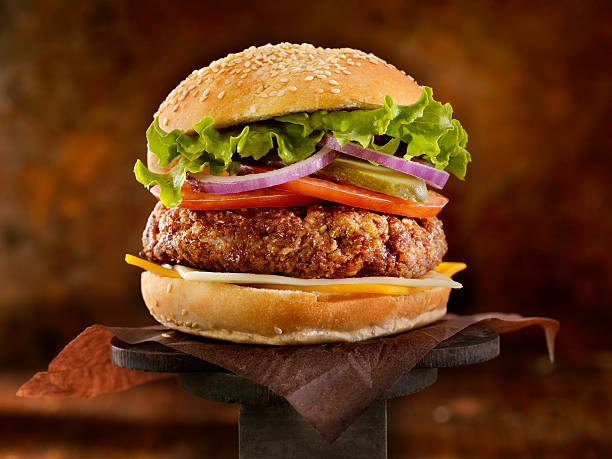
I guess it’s a natural progression, something that has been stuck in neutral for 75 years in America. Restaurants and consumers seem either content or nervous about change – reluctant to step outside the comfort zone. After all, if it isn’t broke, why fix it? The almighty hamburger has been a staple in the American diet since the 1950’s when chain restaurants and quick service (fast food) started to take control. Simple, tasty (when doused with ample amounts of condiments), handheld, and convenient – the “burger” quickly jumped into the lead as the number one entrée in your neighborhood eatery. We grew up on burgers as the food of choice and relished (no pun intended) any opportunity to stand in line or later – drive thru a plethora of quick service operations that rose up at every intersection.
Thanks to President Dwight Eisenhower’s commitment to build the inter-state highway system, small towns sprung up boasting the core components of a community: a gas station, church, and fast-food restaurant. From those early days on we longed to hold a ground beef patty, soft toasted bun, lettuce leaf, tomato, onion slice and ketchup squeeze in our hands. It only made sense that as we aged, our taste would move on, but ironically, we never ventured far from the norm. Instead of expanding our palates, we simply gravitated to “better burgers”. Now that simple handheld treat was larger, fresher, composed of multiple ground meats, maybe topped with bacon or artisan cheese, even foie gras in fine dining restaurants, served on a pretzel roll and accompanied by various flavored French fries, sometimes with truffle mayo. The burger didn’t fade away; it became more complicated but still a burger.
So here we are, 75 years from its blast on the American culinary scene, a country whose eating habits haven’t evolved that much just moved into the “new and improved” category. Restaurants sometimes try to breakaway but eventually fall back into the rhythm of conformity. It’s difficult to find a restaurant that doesn’t have a “play it safe” burger on their menu, just in case the guest is reluctant to try something different.
Now, I’m not trying to downplay the hamburger as a delicious menu choice – I enjoy them myself (as long as they’re not cooked to death), but I wonder why we are so averse to expanding our taste for great food that isn’t ground. Of course, I realize that American’s do stretch their choices, but again, when they do, it’s towards a handful of other “comfort” items that are predictable: pizza, chicken wings, and fried whatever. The question is – when will both customers and restaurants dare to really push the envelope and do so with enthusiasm?
Restaurants need to be profitable and one of the Cardinal rules of building a profitable business is to give guests what they want. This makes perfect sense – a formula that thousands of operations subscribe to. A steak, a burger, shrimp, salmon, a chicken dish (preferably fried), maybe prime rib on the weekends, a simple pasta dish and a flatbread – voila – the “play it safe” menu that flourishes until another restaurant comes along with a “new and improved” version of those same items.
Quarter pound burgers become a half-pound version, hot chicken wings become inferno versions, pizza has cheese stuffed crust, and shrimp entrees morph into all you can eat. Isn’t it time to change the model? Could there be opportunities to shake things up and move customer palates in a different direction? Can we break the comfort habit that evolved from a two-ounce hamburger patty on a lighter than air bun to a half-pounder made from brisket, short rib, and Wagyu ground meats with organic bacon, 12-year aged cheddar cheese, and heirloom tomato slice? As our age and income bracket changed, our taste for sameness simply evolved with our ability to pay.
We talk about the dangers of ultra-processed foods but rarely address our protection of “safe bet” traditions in eating – especially in restaurants. Chefs and restaurants have an opportunity to expand palates and educate customers with healthier, more creative, and very interesting ingredients from the farm, the ranch, and the sea. It might just be time to break the cycle of sameness that continues today.
Just a thought.
PLAN BETTER – TRAIN HARDER – PUSH THE ENVELOPE
www.harvestamericacues.com – BLOG
More than 1,000 articles on the business, people, and culture of food
Check out my novels about those who tie on an apron at:

 Harvest America CUES BLOG
Leave a comment