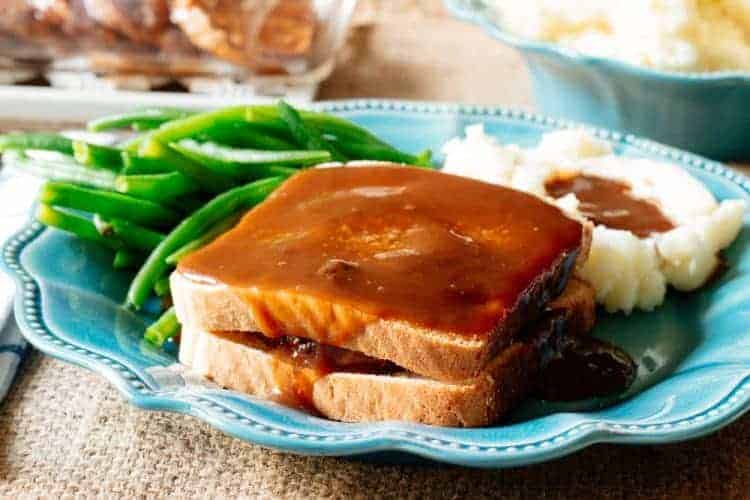
Ah, to those who lived it, the 1950’s were a time of real Americana. World War II had ended, and Americans were clamoring to become homeowners, fill the openings in a robust labor market, President Eisenhower had committed to building the highway infrastructure across the U.S., and small towns were cropping up wherever there was an intersection of highways or station stop for trains. Fred Harvey Restaurants (a company name that very few people will remember) had 65 restaurant operations, 60 diner cars linked to trains, and twelve hotels (all at railroad stops). Bing Crosby the 1940’s crooner and movie star memorialized Harvey’s operations in the Hollywood movie – The Harvey Girls. The movie was about the waitresses at Fred Harvey Restaurants who helped to “civilize” the West with their attention to detail and classic smiles. Fred built his empire during and after the Great Depression picking up on a concept of “Blue Plate Specials” that emphasized inexpensive “complete” meals of comfort foods. Originally these menu items were served in divided blue plates (like the ones you served kids meals in so that food didn’t “touch”). The concept evolved from the early 1900’s through the 1950’s and beyond to be known as Table d’hôtel, or a complete meal of meat, potato, vegetable, salad, bread and beverage. People would line up for a tasty, complete, balanced, served hot, affordable meal. It was the first glimpse of the soon to be heyday and sense of purpose for American restaurants.
Oh, but the “Blue Plate” style diner was so much more. There were segments of the population that found a stool or booth in these operations at different times of the day. In the early morning, diners were filled with construction workers, mechanics, electricians and plumbers looking for a grilled hard roll with loads of butter, hot grilled Danish pastry (my favorite) or a hearty breakfast of eggs, home fries, and bacon; everything was served with ample amounts of rich dark coffee (typically not very good, usually black, but at least hot). At lunch time, office workers would rush to find a seat. Looking for those “Blue Plate” meals that could be served hot and quick. They only had an hour, so this style of American cooking was a perfect fit. Items like mounds of thinly sliced roast beef top round on white bread with piping hot gravy, whipped potatoes and a typically overcooked vegetable were listed as “Today’s Special”, at a price hard to believe nowadays. Items would rotate with choices like meatloaf or Salsbury steak, chicken a ’la king, spaghetti and meatballs, or macaroni and cheese. There was no question that the meal would satisfy and bring them back for the next day.
This was far from fine dining, but leaps above today’s fast food, cookie cutter restaurants. It was the first step in solidifying eating out in America as something that would grow to become part of our lifestyle.
So, the formula of balanced, tasty, recognizable, family friendly, fast and affordable was a hit then and might just serve as a roadmap for the restaurant industry today.
Choosing to dine out today has become a polarized process that weighs a choice between “an experience”, or a utility chance to fill your stomach quickly and efficiently. Sure, there are models in between, but in most cases, they involve small degrees of separation between the two extremes. Those who choose the utility option may suffer nutritionally and fail to find any defined value in service or ambience (in many cases there is a total lack of service , a ‘la self-serve) and dining areas are designed to move people through quickly (turn tables) or non-existent all-together, asking you to use the space in your car as a dining room. While on the fine dining end, and all that lean in that direction, there may be much higher expectations of service and food that can be considerably more sophisticated (if executed by competent, caring individuals), guests will frequently leave discouraged with the price they had to pay and the value received.
Bring back the “Blue Plate” diner; the complete, comfort food meals that are well executed, properly prepared, full flavored, nutritionally sound, but not designed using ingredients that drive prices through the ceiling. Establish ways to prepare these meals with fewer hands and less time involved in finishing, keeping everything affordable. This may not inspire a highly competent chef, nor will it give the restaurateur a chance to brag about the recognition garnered for superior experiences, but the restaurant will be busy – guaranteed!
With all the chatter about affordability as the primary topic on the minds of American families and despondent comments from restaurateurs about empty seats, hard to find labor with talent, and rising costs of ingredients – there is a real opportunity here.
Like many chefs of my era, I got my start in a diner. From dishwasher to breakfast cook assistant, I was the young, eager, low skilled person who grilled those Danish pastries, prepared your over easy eggs, tried not to burn the bacon and made the five-gallon urns of coffee for the service staff. Sixty years later – I never left the kitchen, nor did I ever lose my appetite for those “Blue Plate” specials.
To all the wannabe restaurateurs out there – I would suggest you jump on this concept that is thirsting for a comeback.
PLAN BETTER – TRAIN HARDER
KNOW WHAT THE MARKET CRAVES
www.harvestamericacues.com – BLOG
More than 1,000 articles
Check out my author website at:
Pick up a copy of my latest novel: A Cook on the Run
Available through: iuniverse.com, amazon.com. barnesandnoble.com or
Ordered through your local bookstore

 Harvest America CUES BLOG
Leave a comment