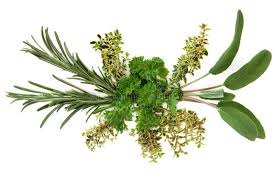
In the 60’s we were captivated by Simon and Garfunkel celebrating the culinary arts with their song: Scarborough Fair. Hmm…was it really about this herbal flavoring in a dish? No, it is a Medieval metaphor with each herb representing different human virtues. Now, this may seem a stretch for a column about kitchen life and those factors that impact the world of restaurants and cooks to talk about human virtues, but I will disagree. Our skills are important, but how we live our lives using those skills is far more significant. So, let’s look at the Medieval implication of this culinary combination.
[] PARSLEY: Was associated with providing comfort and healing, caring and protection. A cook’s job is to help the consumer to push aside those things in life that cause stress and anxiety and, in the moment, let the power of a well-prepared meal, heal and protect the individual from the harm that those feelings can inflict. Those who understand the importance of what they do as cooks will prepare food with this in mind. Whether they are seasoned home cooks or professionals in kitchens, this should be an over-riding quest.
[] SAGE: Is drawn from the Latin word “Salvia” which means to protect and save. In Medieval times, sage was used as a metaphor for strength and wisdom. Using sage in cooking was to help individuals sift through the challenges of the day, reflect on their experiences, and make good decisions. Sometimes to provide the strength to make those decisions when they are challenged by many, knowing that doing the right thing supersedes what some may want or expect. We cook with the confidence and competence that comes from experience and thus rely on it to help us choose wisely.
[] ROSEMARY: The deeply aromatic smell of rosemary conjures up memories of walking through fields of wild herbs, roasting meats, and the all-encompassing smell of braising meats like lamb and pork. The herb, as a metaphor, pertains to remembering the past and the people we have encountered, the experiences we cherish and relationships that have built who we are. It signals anticipation of wonderful experiences ahead and jogs our memory of what came before. In the kitchen, the smell of rosemary permeates the air and gives serious cooks pause to stop, think, remember, and share.
[] THYME: Ah,…thyme is timeless. An herb to stand tall among all others. It is an aroma and flavor to be admired and revered. Metaphorically, it represents courage. In Medieval times it was given to knights before going to battle to give them strength – both physically as well as strength of character. As a kitchen herb it implores us to stay the course, to do what is right and to fight the good fight with purpose.
Although the song was about the power of and struggles with love gained and love lost, about moving through the day with the virtues that define a good person, it has a dual meaning in kitchens. As a culinary combination – parsley, sage, rosemary, and thyme blend well together, not one overpowering the other, able to stand on their own while merging together in a uniquely pleasant way, enhancing a dish and helping it to find its identity, while at the same time portraying those Medieval virtues of comfort, strength, remembrance, and courage that help to build individual character, team success, and leadership prowess.
While writing this article I am listening to Simon and Garfunkel tell the story through their poetic writing and wonderful harmonies. It makes me want to view the work done in kitchens in a much more holistic manner.
Food for thought.
PLAN BETTER – TRAIN HARDER
WHAT WE DO IS IMPORTANT BEYOND FILLING STOMACHS
www.harvestamewricacues.com – BLOG
check out my author’s website at: https://paulsorgulebooks.com

 Harvest America CUES BLOG
Leave a comment