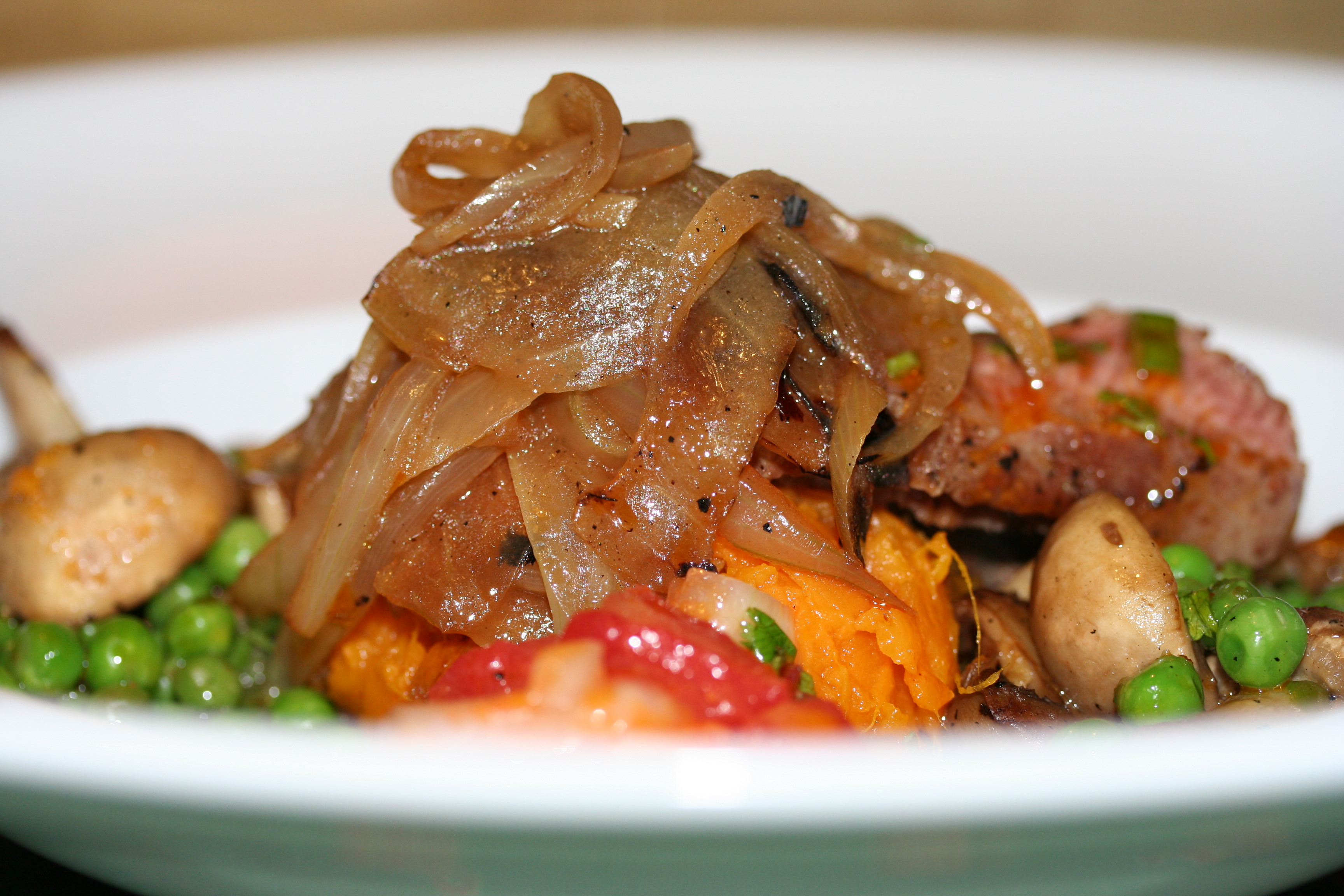
It’s that time of year when everything changes so rapidly. Everyone begins to think about hunkering down for the winter and using the fall season to shift directions. For cooks and chefs, fall brings the most treasured methods of cooking, the full flavors of the season, and reason to relish the craft. Grilling is replaced with braising and roasting, delicate vegetables and sun ripened tomatoes make room for squash and root vegetables, light desserts change to pies, tarts, cobblers, and cakes, and white wines and distilled beverages with hearty red wines, and amber beverages like bourbon and scotch.
The smells of fall are intoxicating. The richness of full-flavored meats converts to low and slow, the warmth of cinnamon, nutmeg, rosemary, ample amounts of caramelized onions, shallots, and garlic, and of course the familiar roasting of coffee beans and smooth textures of hot chocolate. Everything becomes a potpourri of sensory experiences.
The overbearing heat of summer kitchens becomes far more welcoming as outside temperatures fall from the 80’s to near freezing and warm summer rains give way to deep banks of snow (at least in the northern states).
At a time when the cost of ingredients is becoming prohibitive for restaurants and consumers, there may be another reason to look forward to late fall and months of winter ahead. The seasons deep dive into “real cooking” may be the answer to rising food costs and dwindling customers for sit in dining. Lesser cuts of meat and poultry, a move away from the traditional summer seafood and their heavy pricing, when engaged in low and slow cooking methods of braising and stewing, poaching and roasting, can help to address sticker shock from your vendors. Moving away from tenderloin, strip loins, flanks, shellfish, chicken breast, and pork tenderloin just might be the way to go. Classic dishes like boeuf bourguignon, cassoulet, pot roast, roast chicken, fricassee, pot au feu, pulled pork shoulder, etouffee, gumbo and Hoppin John, and roasts of all kinds are universally enjoyed and often overlooked in restaurants.
From the service perspective, most of these methods do not require a ’la minute preparations because the cooking is done prior to opening the restaurant doors. So, service can be less stressful and much quicker, giving the restaurant a chance to turn tables more frequently and guests an opportunity to invest a bit less time at the table.
In terms of the complete meal – low and slow cooking methods encourage people to order much more complex and enjoyable wines and drinks and even order those desserts that bring back memories of the season, the warmth of a fire, sharing stories, and raising a glass to good times.
If you are finding it difficult to attract and retain competent line cooks, a restaurant where a significant amount of cooking is accomplished before service time will help to streamline your labor pool.
So, a positive impact on labor cost, some freedom from out of reach ingredient costs, expedited service, and full-flavored menu items that reflect the sensual experience of the season are all welcome from early fall until the start of spring.
As restaurants find it more difficult to thrive and guests think twice about the investment of funds and time to enjoy a great restaurant meal, the change of seasons may be the right time to think about a whole different approach toward menu and concept design, systems and pricing, and success with staying power.
Food for thought.
PLAN BETTER – TRAIN HARDER – CHANGE WITH THE SEASON
www.harvestamericacues.com – BLOG
Check out my author page at: www.paulsorgulebooks.com


Leave a Reply